
Radio’s Reach And Emergency Role Remain Key.

Radio continues to reach a large majority of Americans despite the growth of streaming and smartphones, and its role in emergency communications and local communities remains a key part of the medium’s value, according to a Wall Street Journal opinion piece.
Megan Pidcock, social-media editor for the Journal’s Free Expression section, argues that radio’s reach and community role challenge perceptions that the medium is in decline. She cites Nielsen data showing radio reaches more than 90% of U.S. adults each month, while noting that only 46% of marketers surveyed by Nielsen consider radio advertising effective.
“Radio’s biggest problem has always been perception,” Bold Gold Media Group founder and CEO Vince Benedetto told Pidcock. “But the data, almost always for those who care to look at it, puts to bed that perception.”
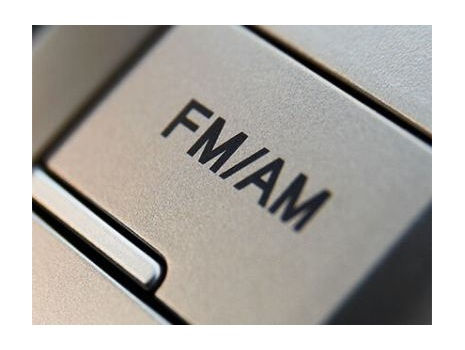
The piece also examines the ongoing effort to preserve AM radio in automobiles. Automakers have increasingly removed AM receivers from some vehicles, with Tesla among those citing potential interference from electric motors. The bipartisan AM Radio for Every Vehicle Act would require new vehicles to include accessible AM radio at no additional cost.
The House passed the legislation Sept. 15 by an overwhelming margin. The bill then moved to the Senate with 60 co-sponsors, according to the Journal piece.
Supporters of the legislation have emphasized AM radio’s role during emergencies, when power, cellular service or internet connectivity may be unavailable. Pidcock points to radio coverage following the Sept. 11, 2001 terrorist attacks and during Hurricane Helene in 2024, when radio stations provided information to listeners amid widespread disruptions to communications infrastructure.
The article also notes AM’s ability to cover large geographic areas, particularly in rural regions where broadcast radio can provide an important source of information.
At the same time, Pidcock acknowledges that preserving radio’s place in the media landscape will require broadcasters to address ongoing business and competitive pressures. The piece cites Cumulus Media’s bankruptcy filing in March, industry layoffs and the shutdown of CBS News Radio as examples of the challenges facing the industry.
Benedetto attributes some of the pressure on local radio to decades of consolidation, arguing that ownership changes have reduced local talent in some markets as companies pursued broader national strategies. He says that local radio remains well positioned where stations continue to serve their communities.
“We’ve never been busier, never had more advertisers, and never had more listeners than we have now,” Benedetto said of his stations.
Pidcock also argues that artificial intelligence is unlikely to fully replicate the value of local radio personalities who participate in community events and develop relationships with listeners and local businesses.
While younger audiences increasingly use streaming services, radio continues to reach a majority of adults 18-34. The Journal piece cites Edison Research’s 2026 Infinite Dial data showing radio reaches 65% of that demographic each month.
The article suggests that radio’s local and communal nature remains a differentiator from on-demand music services. Benedetto describes stations as providing “a community, a mosaic of things happening in your town and in your county,” rather than simply offering individual listening choices.
The result, Pidcock argues, is a medium facing significant challenges but continuing to play roles in advertising, emergency communications, entertainment and community connection. The AM Radio for Every Vehicle Act, if enacted, would preserve AM access in new vehicles for a defined period while broadcasters continue adapting to changing listening habits and business conditions.
The House has passed its version of the bill, while a Senate vote has not been scheduled.


Comments