
NAB Pours $2.7 Million Into Lobbying As AM Radio Fight Intensifies.

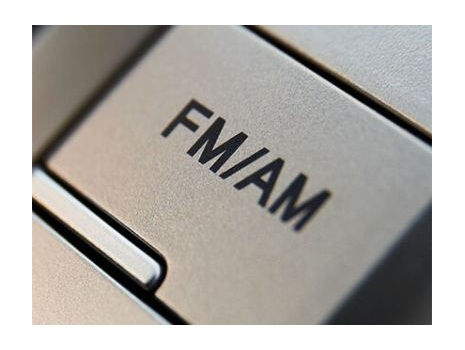
The radio industry blitz to push a bill that would require AM radio in every passenger vehicle dashboard is among the issues that kept the National Association of Broadcasters spending in Washington during the third quarter.
Disclosure filings show NAB spent $2.7 million on lobbying activities during Q3, which was a 6% increase from a year earlier. The increase comes even though the 119th Congress is winding down and often groups pull back on lobbying efforts to save resources for when the new Congress is sworn-in next January. But with key issues remaining in play, the NAB didn’t hold back. And the results suggest it is paying-off. With more than 300 cosponsors, the House passed the pending AM Radio for Every Vehicle Act (H.R.979/S. 315) in September by unanimous consent. The bill remains pending in the Senate, however, so NAB spending is likely to remain strong into the fourth quarter.
So far in 2026, the trade group has spent $8.23 million to make the industry’s case in Washington. That is down 3% from the same period in 2025.
Beyond AM radio, the NAB filing shows it also lobbied on issues related to proposed advertising regulations and taxes, changes to Daylight Saving Time, media ownership regulations, and sports broadcasting. It also continued making the argument for why efforts to pass a radio performance royalty should be rejected, although the issue hasn’t had the traction in this Congress that it has in the past.
NPR Spending Skyrockets
NAB isn’t the only broadcaster spending to lobbying Washington. NPR dramatically ramped up its federal lobbying spending during the quarter, reporting $1.2 million in expenditures — an eightfold increase from the $150,000 spent in the second quarter and nearly 11 times the $110,000 reported during the same period last year. The third-quarter total was also more than double NPR’s entire lobbying expenditures for 2025, which totaled $540,000.
NPR didn’t say much of what it was spending on, however. The filing says it was toward “general issues related to public radio and interconnection.”
Among the commercial radio groups, iHeartMedia reported $988,568 on lobbying in Q3. Filings show iHeart also advocated for the AM dashboard requirement proposal, EAS modernization, and foreign ownership regulations, as well as proposals related to data privacy—a key issue for the company and its iHeartRadio app.
Other broadcasters that invested in lobbying last year include TelevisaUnivision. The largest Spanish-language broadcast owner spent $100,000 lobbying during the third quarter. Hubbard Broadcasting spent $20,000, although its filings note the company didn’t do any lobbying in Q3. And SiriusXM spent $80,000 in Washington during the first half.
RIAA Spending Slips
The music royalty fight may seem like a familiar tune, and it’s not getting much play in Congress this year. That could be because a majority of House members oppose changing copyright law, making a chronically distracted Washington look toward other issues. Even so, The Recording Industry Association of America reported $1.85 million during the third quarter. That was down 16% from the $2.21 million spent in Q2, and down 2% from the same period last year. Despite the third-quarter decline, the music industry’s leading trade association has increased its lobbying expenditures overall in 2026. Through the first nine months, RIAA reported $6.29 million in federal lobbying expenditures by 7%.
The group continued to get help from big music companies. Universal Music Group reported $600,000 allocated to in-house lobbying during Q3 and paid another $740,000 to an outside lobbying firm. Sony Music Entertainment spent $370,000, which was a small increase from the prior year. Other music industry groups also continued to be active, including the National Music Publishers Association, which spent $125,000 during Q3 — which was more than the $100,00 it spent during the first half of the year.
The three big performance rights groups also opened their wallets in Washington. ASCAP spent $1600,000 on federal lobbying during Q3, all through outside lobbying firms.
BMI reported $70,000 in in-house lobbying and paid another $130,000 to an outside lobbying firm, bringing its total federal lobbying investment to $200,000 in Q3.
And SoundExchange in-house and outsight lobbying firm activity adds up to $520,000, roughly similar to what it spent during Q1 and Q2.


Comments