
Katz Highlights Radio’s Role In Storm Coverage.

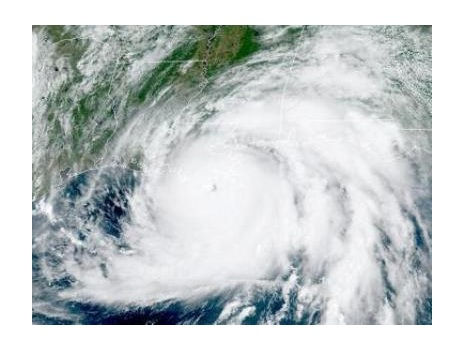
Radio remains an important source of timely, local information during hurricanes and other severe weather events, according to a report from Katz Radio Group.
The report examines the role local radio can play in providing emergency information as hurricane season gets underway. The Atlantic hurricane season officially runs from June 1 through Nov. 30, with activity typically peaking around Sept. 10.
Katz noted that a typical season, based on NOAA’s 1991-2020 climate averages, produces 14 named storms, seven hurricanes and three major hurricanes.
For those affected by severe weather, access to accurate information can become a matter of safety, the report said. Residents may need to know which evacuation routes are open, what roads are flooded, when a storm will arrive, and where shelters, food, water and emergency assistance are available.
“In an increasingly fragmented media environment, consumers have more ways than ever to receive information,” Katz says. “But when conditions become unpredictable, radio has a unique ability to deliver immediate, local and actionable updates, often when other channels become difficult to access.”
The report said radio can provide real-time information to people who are commuting, evacuating, checking on family members or waiting for power to return without requiring them to look at a screen.
Katz also highlighted radio’s ability to interrupt regular programming as conditions change. Local stations can provide weather warnings, storm updates, evacuation and shelter information, road closures, flooding and traffic reports, school and government closures, power-outage updates and instructions from emergency-management officials.
The report emphasizes the difference between national weather information and localized updates. “National forecasts can tell people that a hurricane is approaching,” Katz says. “Local radio can explain what that hurricane means for a particular community. That distinction matters.”
The report examines the role of advertisers and sponsors in supporting emergency coverage. Katz said advertisers can help fund the programming, staffing and infrastructure needed to keep critical information on the air while providing listeners with information about emergency hours, fuel availability, supplies, donation drives, shelter support and other resources.
“The most effective emergency sponsorships are designed around service,” the report says, citing examples such as weather-update segments sponsored by hospitals, utilities, grocery stores, home-improvement companies, banks or insurance agencies. Katz said those sponsorships can give brands an opportunity to support radio while demonstrating preparedness and community involvement.
Although hurricanes provide a prominent example of radio’s emergency role, Katz notes that other events, including tornadoes, floods, wildfires, winter storms and power outages, can require similar local communication. “When information matters most, radio is there, and the brands that support it can be there too,” the report says.


Comments